This interview series highlights the labor of place-based cultural preservation and the experiences that have brought the people behind that work to where they are. All interviews are conducted by Place, Memory & Culture Incubator staff, faculty, and students.
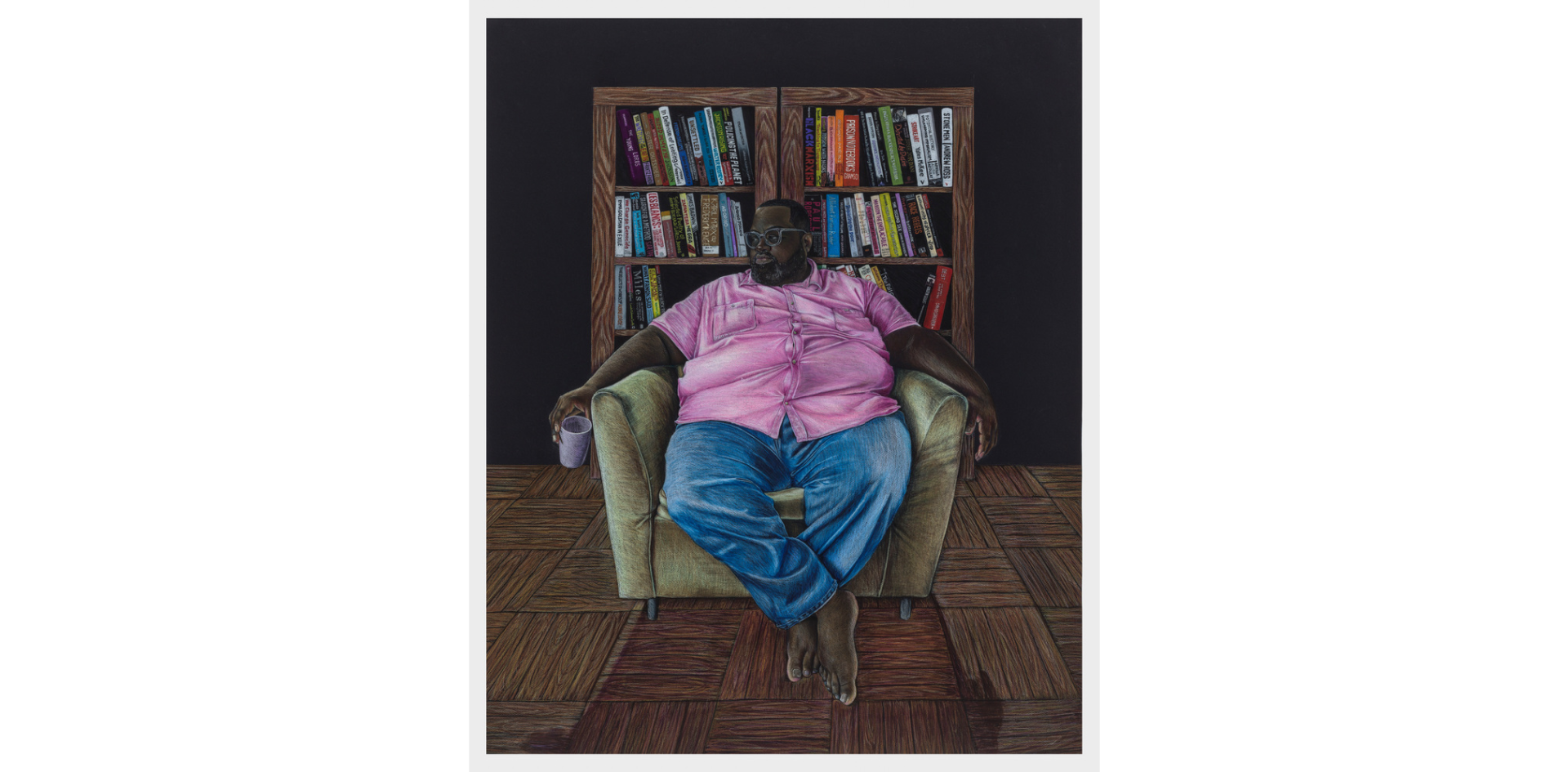
Samantha Fox, M. Arch student at Spitzer School of Architecture, interviews Kazembe Balagun, Executive Director of Maysles Documentary Center, on November 8, 2024.
The image paired with this interview is a 2022 illustration (color pencil on paper) titled "Kazembe Balagun, Black Militant Study" by Shellyne Rodriguez. Shellyne Rodriguez is a Bronx-based artist, educator, historian, writer, and community organizer who works in a variety of media, including drawing, painting, collage, and sculpture. Rodriguez stewards the histories and stories of people that have shaped her lived experience, describing her practice as “the depiction and archiving of spaces and subjects engaged in strategies of survival against erasure and subjugation.” Through her multidisciplinary practice, Rodriguez documents the ways in which the diverse social fabric of the South Bronx is rewoven as the people and cultures coexist. Rodriguez utilizes language as well as cultural and sociopolitical references to create unified portraits of individuals from various communities formed in what she describes as the “periphery of empire.” Engaging with the legacy of the Ashcan School, who bore witness to the rise of the modern metropolis and depicted how the poor and working class in New York enclaves were transformed by this, Rodriguez views figures such as Alice Neel, Jane Dickson, and Martin Wong as an extension of this tradition and situates her practice alongside them.
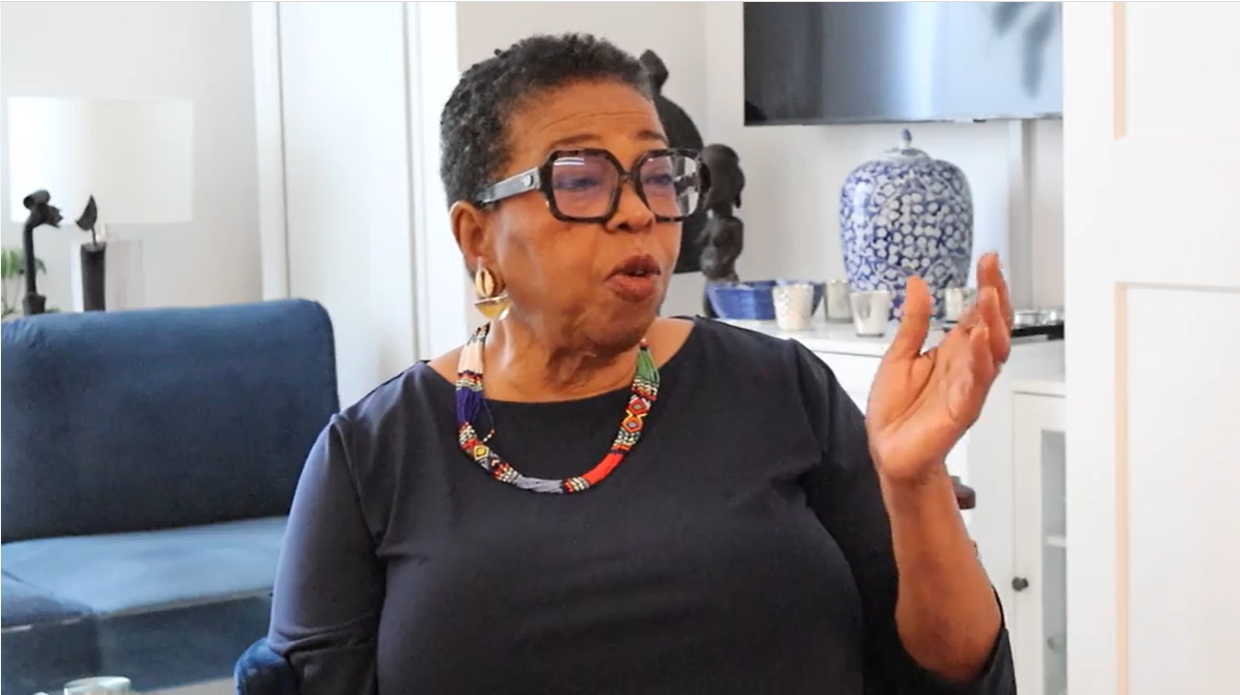
Sabine Blaizin, Deputy Director and Head of Programs at the Caribbean Cultural Center African Diaspora Institute, sits down with jah elyse sayers, Research Associate at the Place, Memory & Culture Incubator, to discuss her cultural work and the experiences that brought her to it. She shares about her childhood in the Bronx, her Haitian roots, the family members that shaped her understanding of herself and the world, her art and spiritual journey, and the necessity of coalition-building strategies in protecting communities from displacement.
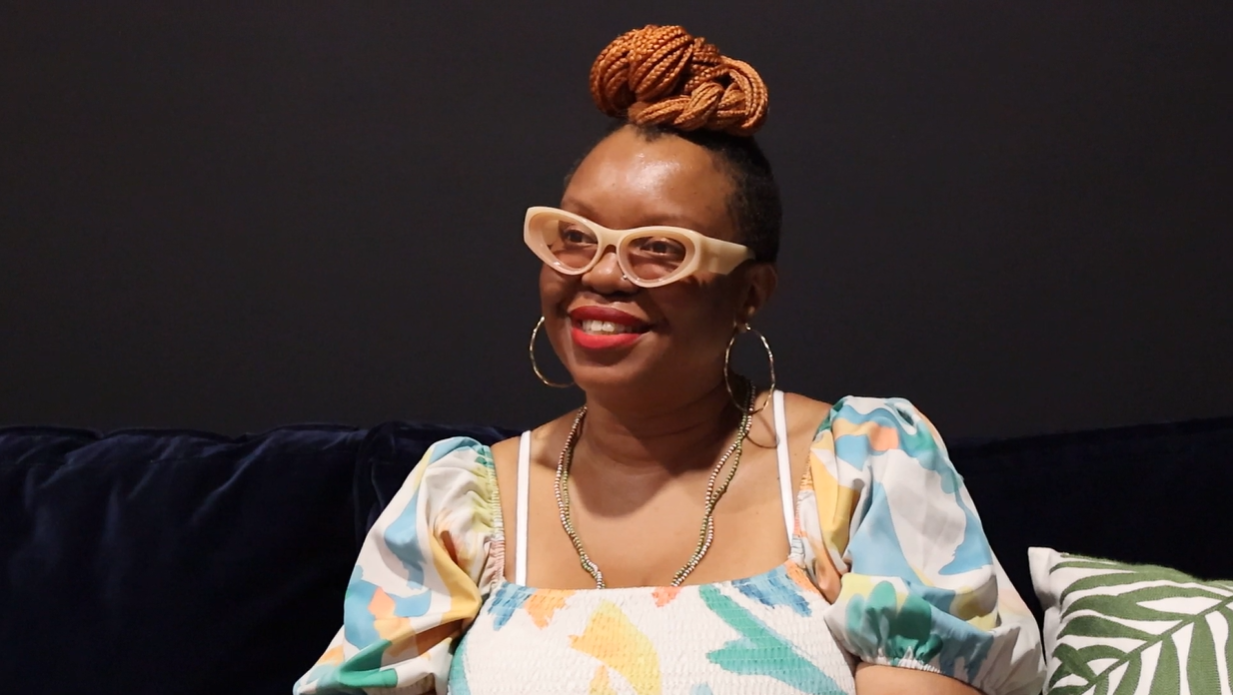
jah elyse sayers interviews Melody Capote (executive director, Caribbean Cultural Center African Diaspora Institute) in Melody's office at CCCADI on September 3, 2025.
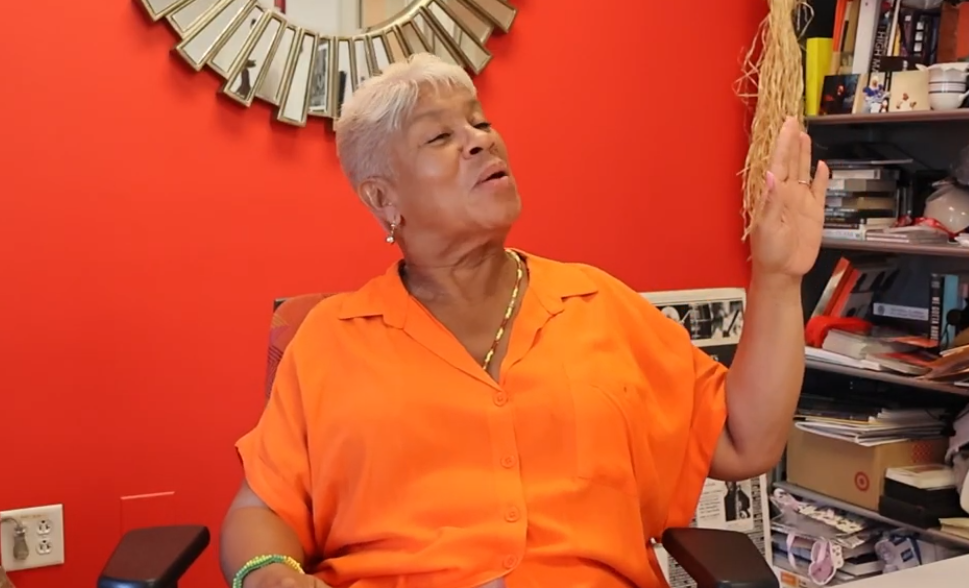
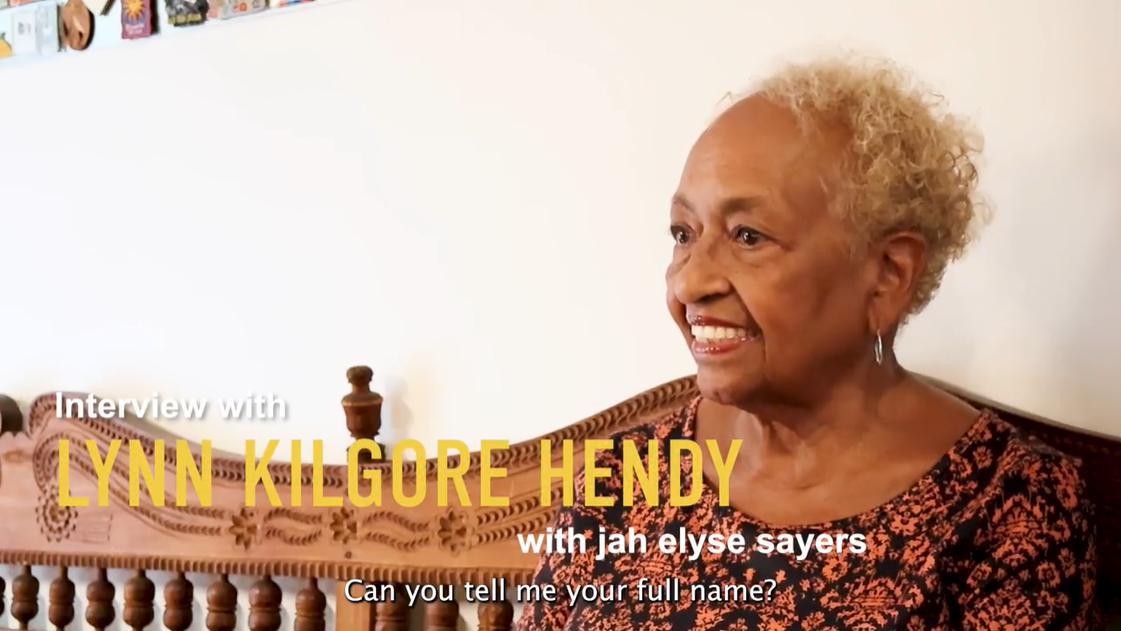
jah elyse sayers interviews Lynn Elda Kilgore Hendy (treasurer, Save Harlem Now!) in the Hendy home on August 12, 2025. Lynn Kilgore Hendy is a retired television advertising sales and account manager, and local television ratings expert. She holds a Bachelor of Arts degree in Education from Antioch College in Yellow Springs, Ohio. At age one, Lynn moved from North Carolina to New York City, when her father, the Reverend Dr. Thomas Kilgore, Jr., was called to pastor the Friendship Baptist Church in Harlem. Lynn was greatly influenced by her father’s strong advocacy for civil rights and African American history. Since 1986, she and her family have owned and lived in a Harlem limestone townhouse, built in 1901.
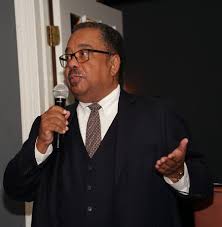
jah elyse sayers interviews Glenn Hunter, co-executive director of Harlem Cultural Archives Historical Society and lifelong Harlemite. He talks about his life growing up in Harlem and the community that made him who he is today.
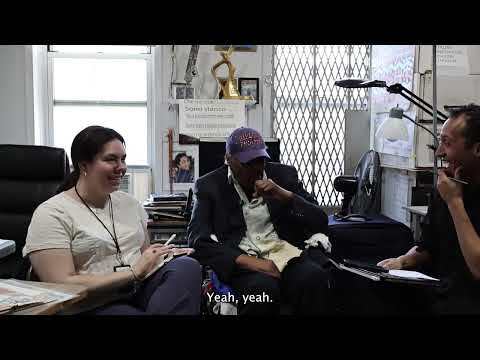
Jerome Haferd and Mikaila Meurer, with Anthony Carrion, interview Franco the Great AKA Franco Gaskin.
Franco the Great (born Frankin Gaskin; 1928) is a street artist based in Manhattan, New York City. He was born and raised in Panama, and is fluent in Portuguese, Spanish and English. Franco the Great is also referred to as the "Harlem Picasso".
He earned notoriety by painting storefront security gates in West Harlem neighborhoods. Original pieces of Franco's are found today on 125th Street surrounding the Apollo Theater (between Frederick Douglass Blvd. and Adam Clayton Powell Jr. Blvd). Franco's murals on security gates are only viewable when the gates of the stores are closed.
Franco's murals have contributed to making Harlem a tourist destination. His work can also be found inside businesses across United States, France, Germany, Switzerland, Japan, Canada, Spain, Brazil, the Caribbean Islands, Senegal, and elsewhere!