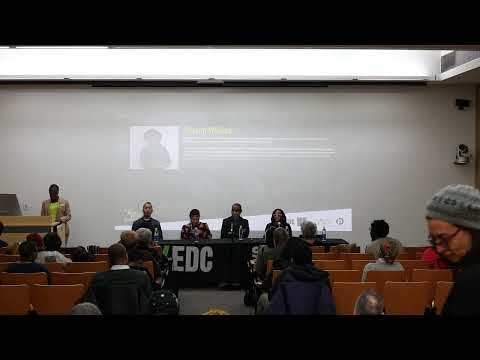
In this panel, consisting of architects and designers, they discuss the importance of the African Burial ground and importance of how we bury our dead. This revolutionary act of remembrance reclaims their humanity. How do we learn about this significant history through the landscape, through design, or through the built environment?
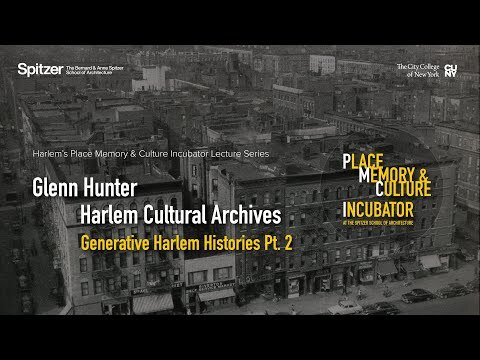
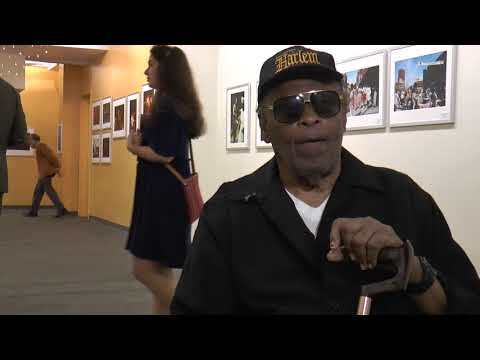
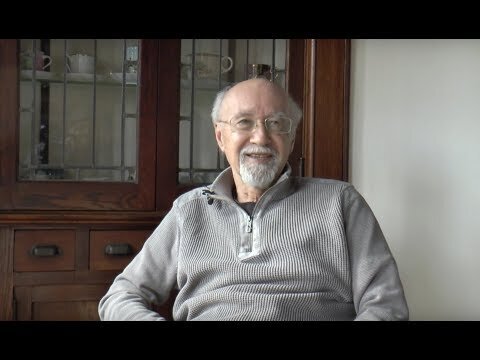
Glenn Hunter is the Co-Founder and Co-Executive Director of Harlem Cultural Archives, a 501(c)(3) not-for-profit historical society dedicated to gathering important oral history from the Harlem community. To date, the organization has conducted videotaped interviews with nearly 200 accomplished Harlem residents. Glenn is a career educator specializing in math and information technology. In addition to his role as an Adjunct Lecturer at Baruch College, Glenn is a dedicated community organizer and advocate.
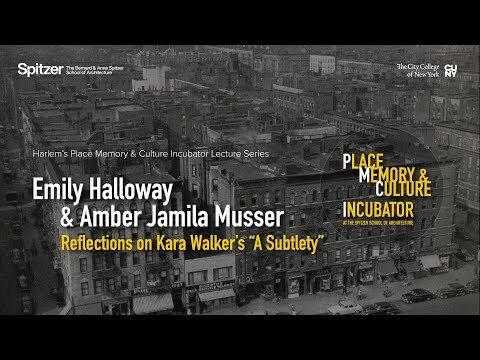
The Place Memory and Culture Incubator at Spitzer is pleased to invite all students, faculty, staff, and guests to the upcoming Presentation & Discussion / Q&A featuring Amber Jamilla Musser and Emily Holloway and moderated by jah elyse sayers.
This event will be held in person at the Spitzer School of Architecture, first floor, Sciame Auditorium (Room 107) and will occur this Thursday April 10th, 2025 at noon.
Amber Jamilla Musser is a professor of English and Africana studies at the CUNY Graduate Center. She writes and researches at the intersections of race, sexuality, and aesthetics. In addition to writing art reviews for The Brooklyn Rail. She has published widely in queer studies, black feminism, psychoanalysis, and critical theory. She is the author of Sensational Flesh: Race, Power, and Masochism (NYU Press, 2014), Sensual Excess: Queer Femininity and Brown Jouissance (NYU Press,
2018), and Between Shadows and Noise: Sensation, Situatedness, and the Undisciplined (Duke University Press, 2024).
Emily Holloway, PhD, is the Associate Managing Editor of Urban Affairs Review and a postdoctoral fellow at Drexel University. Her book project, “Domino in the Longue Durée: Racial Capitalism and the Urban Question,” reconstructs the prehistory of the Domino Sugar Refinery in Williamsburg, Brooklyn, through the site’s connections to the Caribbean sugar plantation complex. She has a PhD in Geography from Clark University and a master’s degree in urban policy from Hunter College. She has worked with several different community development and urban research institutes in New York City and Philadelphia, including the Bronx Cooperative Development Initiative, the Brooklyn Waterfront Research Center, and the Urban Heritage Project at the University of Pennsylvania.
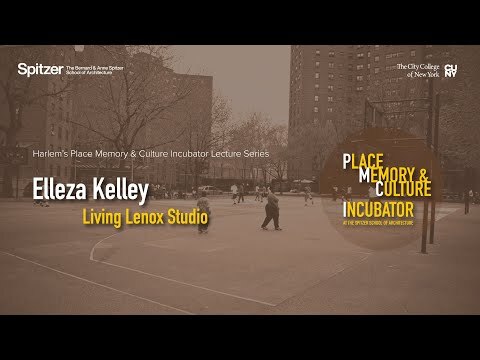
Elleza Kelley is an Assistant Professor of African American Studies and English with expertise in black geographies, and radical spatial practices that explore the intersections of literature, art, and place.
Dr. Harry Delany is a renowned Harlem born and raised surgeon, the son of the great jurist and civil rights leader, Hubert Delany. Most of his formative years were spent in and around West Harlem.